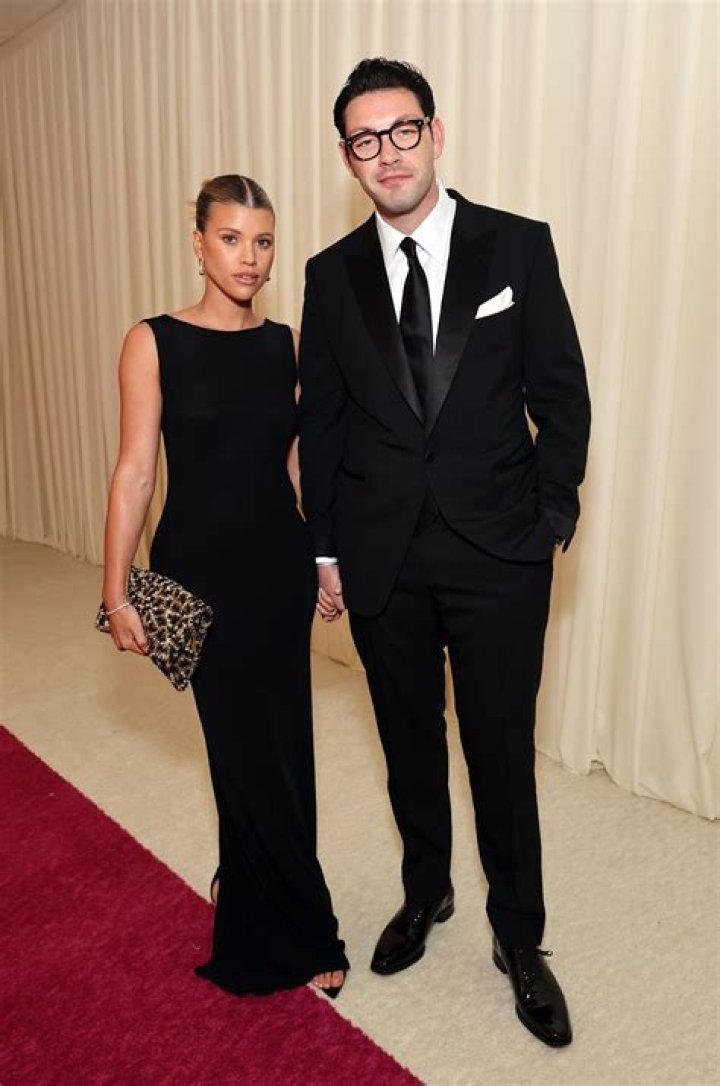
Rachael Smolow is an American computer scientist specializing in human-computer interaction and accessibility. As a Senior Accessibility Researcher at Google, she focuses on developing inclusive design solutions, particularly for people with disabilities.
Smolow's work has significant implications for ensuring digital accessibility, which is crucial for enabling individuals with disabilities to fully participate in the digital world. Her research has led to advancements in screen reader technology, accessible web design, and inclusive educational tools. By advocating for and implementing accessible design principles, Smolow empowers individuals with diverse abilities to access information, communicate, and engage with technology.
Smolow's contributions extend beyond academia and industry. She actively engages with disability rights organizations and policymakers, advocating for inclusive design policies and raising awareness about the importance of digital accessibility. Her efforts have had a profound impact on shaping inclusive technology standards and practices, benefiting countless individuals worldwide.
Rachael Smolow
Rachael Smolow's work as a computer scientist specializing in human-computer interaction and accessibility encompasses several key aspects:
- Research: Advancing screen reader technology, accessible web design, and inclusive educational tools.
- Advocacy: Promoting inclusive design policies and raising awareness about digital accessibility.
- Collaboration: Working with disability rights organizations and policymakers to shape inclusive technology standards.
- Innovation: Developing novel solutions to enhance accessibility for individuals with diverse abilities.
- Education: Empowering individuals and organizations to create more inclusive digital experiences.
- Leadership: Guiding industry best practices and standards for accessible design.
- Impact: Improving the lives of countless individuals worldwide through more accessible technology.
- Inspiration: Serving as a role model for aspiring technologists and advocates in the field of accessibility.
These aspects highlight Smolow's dedication to creating a more inclusive digital world, where everyone has equal access to information, communication, and participation. Her research, advocacy, and leadership have had a profound impact on the field of accessibility, benefiting individuals with disabilities and society as a whole.
Research
Rachael Smolow's research has focused on advancing screen reader technology, accessible web design, and inclusive educational tools. These areas are closely interconnected and essential for her mission to create a more inclusive digital world. Screen reader technology empowers individuals who are blind or visually impaired to access and interact with digital content. Accessible web design ensures that websites and applications are perceivable, operable, understandable, and robust for people with disabilities. Inclusive educational tools provide accessible learning experiences for students with diverse needs.
Smolow's research in these areas has led to significant advancements in accessibility. Her work on screen reader technology has improved the accuracy and efficiency of screen readers, making it easier for blind and visually impaired users to navigate and interact with digital content. Her contributions to accessible web design have helped establish best practices and standards for creating websites and applications that are accessible to people with disabilities. Additionally, her research on inclusive educational tools has led to the development of innovative tools that support students with disabilities in their learning.
The practical significance of Smolow's research is evident in the impact it has had on the lives of individuals with disabilities. By advancing screen reader technology, accessible web design, and inclusive educational tools, she has empowered countless people to access information, communicate, and participate in education and employment.
Advocacy
Rachael Smolow's advocacy work has been instrumental in promoting inclusive design policies and raising awareness about digital accessibility. She has played a key role in shaping industry best practices and standards, educating organizations and policymakers about the importance of accessibility, and empowering individuals with disabilities to advocate for their rights.
One of Smolow's most significant contributions has been her work with the World Wide Web Consortium (W3C), the international organization that develops web standards. She has served as a member of the W3C's Web Accessibility Initiative (WAI) since 2003, contributing to the development of accessibility guidelines and standards that have had a profound impact on the accessibility of the web.
In addition to her work with the W3C, Smolow has also been a vocal advocate for accessibility through her writing, speaking engagements, and collaborations with disability rights organizations. She has authored numerous articles and book chapters on accessibility, and she regularly speaks at conferences and workshops around the world. Through her advocacy efforts, Smolow has helped to raise awareness about the importance of accessibility and has inspired countless individuals and organizations to create more inclusive digital experiences.
The practical significance of Smolow's advocacy work is evident in the impact it has had on the lives of individuals with disabilities. By promoting inclusive design policies and raising awareness about digital accessibility, she has helped to create a more inclusive digital world where everyone has equal access to information, communication, and participation.
Collaboration
Rachael Smolow's collaborative efforts with disability rights organizations and policymakers have been instrumental in shaping inclusive technology standards. She has played a key role in ensuring that the voices and perspectives of people with disabilities are heard and considered in the development of accessibility guidelines and policies.
One of the most significant examples of Smolow's collaborative work is her involvement in the development of the Web Content Accessibility Guidelines (WCAG). WCAG is a set of internationally recognized guidelines that provide technical standards for making web content accessible to people with disabilities. Smolow has been a member of the W3C's Web Accessibility Initiative (WAI) since 2003, and she has actively contributed to the development and refinement of WCAG over the years.
Smolow's collaboration with disability rights organizations has also been essential in her advocacy work. She has worked closely with organizations such as the American Council of the Blind and the National Federation of the Blind to raise awareness about the importance of accessibility and to advocate for the rights of people with disabilities. Through her collaborations, Smolow has helped to amplify the voices of people with disabilities and to ensure that their needs are taken into account in the development of technology standards and policies.
The practical significance of Smolow's collaborative work is evident in the impact it has had on the lives of individuals with disabilities. By working with disability rights organizations and policymakers to shape inclusive technology standards, she has helped to create a more accessible digital world where everyone has equal access to information, communication, and participation.
Innovation
Rachael Smolow's innovative spirit has led her to develop novel solutions that enhance accessibility for individuals with diverse abilities. Her work in this area is driven by her deep understanding of the challenges faced by people with disabilities, and her commitment to creating a more inclusive digital world.
One of Smolow's most notable innovations is the development of the ARIA (Accessible Rich Internet Applications) specification. ARIA is a set of attributes that can be added to web content to make it more accessible to assistive technologies, such as screen readers. ARIA has been widely adopted by web developers, and it has significantly improved the accessibility of the web for people with disabilities.
Another example of Smolow's innovative work is her development of the aXe accessibility testing tool. aXe is a free, open-source tool that helps developers to identify and fix accessibility issues in their web content. aXe has been used by millions of developers, and it has helped to make the web more accessible for everyone.
Smolow's innovative solutions have had a profound impact on the lives of individuals with disabilities. By making the web more accessible, she has empowered people with disabilities to access information, communicate, and participate in the digital world. Her work is a shining example of how innovation can be used to create a more inclusive society.
Education
Rachael Smolow's educational efforts are closely tied to her mission of creating a more inclusive digital world. She believes that everyone has the right to access and participate in the digital realm, regardless of their abilities or disabilities. Through her teaching, writing, and mentorship, Smolow empowers individuals and organizations to create more inclusive digital experiences for all.
- Teaching: Smolow has taught courses on accessible design and user experience at the University of Washington and the University of California, Berkeley. She has also developed online courses and workshops on accessibility, reaching a global audience of learners.
- Writing: Smolow has authored numerous articles and book chapters on accessibility, sharing her knowledge and expertise with the wider community. Her writing has helped to raise awareness about the importance of accessibility and has provided practical guidance to developers and designers.
- Mentorship: Smolow has mentored countless students and professionals in the field of accessibility. She provides guidance and support to aspiring accessibility professionals, helping them to develop the skills and knowledge needed to create more inclusive digital experiences.
Smolow's educational efforts have had a significant impact on the accessibility landscape. By empowering individuals and organizations to create more inclusive digital experiences, she is helping to build a more equitable and accessible digital world for all.
Leadership
Rachael Smolow's leadership has been instrumental in guiding industry best practices and standards for accessible design. As a senior accessibility researcher at Google and an active member of the World Wide Web Consortium (W3C), Smolow has played a key role in shaping the way that accessibility is approached and implemented in the tech industry. Her work has had a significant impact on the lives of people with disabilities, making the digital world more accessible and inclusive for all.
One of Smolow's most notable contributions to the field of accessibility is her work on the Web Content Accessibility Guidelines (WCAG). WCAG is a set of internationally recognized guidelines that provide technical standards for making web content accessible to people with disabilities. Smolow has been a member of the W3C's Web Accessibility Initiative (WAI) since 2003, and she has actively contributed to the development and refinement of WCAG over the years. Her expertise and leadership have helped to ensure that WCAG remains the gold standard for web accessibility guidelines.
In addition to her work on WCAG, Smolow has also been a vocal advocate for accessibility in the tech industry. She has given numerous presentations and workshops on accessibility, and she has written extensively on the topic. Through her leadership, Smolow has helped to raise awareness about the importance of accessibility and has inspired countless developers and designers to create more inclusive digital experiences.
The practical significance of Smolow's leadership in accessible design is evident in the impact it has had on the lives of people with disabilities. By guiding industry best practices and standards, Smolow has helped to create a more accessible digital world where everyone has equal access to information, communication, and participation.
Impact
Rachael Smolow's dedication to improving the lives of countless individuals worldwide through more accessible technology is a central component of her work. Her research, advocacy, and leadership efforts have had a profound impact on the accessibility of the digital world, empowering people with disabilities to access information, communicate, and participate in society on equal terms.
One of the most significant ways that Smolow's work has improved the lives of people with disabilities is through her contributions to the development of screen reader technology. Screen readers are essential tools for people who are blind or visually impaired, enabling them to access and interact with digital content. Smolow's research has focused on improving the accuracy and efficiency of screen readers, making it easier for blind and visually impaired users to navigate and interact with the web, documents, and other digital content.
Smolow's work on accessible web design has also had a major impact on the lives of people with disabilities. She has played a key role in developing and promoting best practices for accessible web design, ensuring that websites and applications are perceivable, operable, understandable, and robust for people with a wide range of disabilities. As a result of her work, more and more people with disabilities are able to access and use the web to find information, connect with others, and participate in online activities.
In addition to her work on screen reader technology and accessible web design, Smolow has also been a strong advocate for the rights of people with disabilities. She has worked tirelessly to raise awareness about the importance of accessibility and to promote the inclusion of people with disabilities in all aspects of society. Through her advocacy efforts, Smolow has helped to create a more inclusive digital world, where everyone has the opportunity to participate and thrive.
Inspiration
Rachael Smolow's dedication to improving the lives of countless individuals worldwide through more accessible technology extends beyond her research, advocacy, and leadership efforts. She also serves as a role model and inspiration for aspiring technologists and advocates in the field of accessibility.
- Mentorship and guidance: Smolow actively mentors and guides aspiring accessibility professionals, providing them with invaluable knowledge, support, and encouragement. Her mentorship has helped to shape the next generation of accessibility leaders, ensuring that the field continues to grow and evolve.
- Public speaking and outreach: Smolow is a sought-after speaker at conferences and events around the world, where she shares her expertise and insights on accessibility. Her presentations inspire and educate audiences, raising awareness about the importance of accessibility and encouraging others to join the movement.
- Writing and thought leadership: Smolow's written work, including articles, blog posts, and book chapters, has become essential reading for anyone interested in accessibility. Her clear and engaging writing style makes complex topics accessible to a wide audience, helping to spread knowledge and best practices.
- Collaboration and community building: Smolow is actively involved in the accessibility community, collaborating with other researchers, advocates, and organizations. She is a member of the World Wide Web Consortium's Web Accessibility Initiative (WAI) and has contributed to the development of international accessibility standards.
Through her mentorship, guidance, public speaking, writing, and collaboration, Rachael Smolow serves as an inspiration to countless individuals who are passionate about creating a more accessible and inclusive digital world. Her dedication to empowering others and her commitment to excellence make her a true role model in the field of accessibility.
Frequently Asked Questions about Rachael Smolow
This section addresses common questions and misconceptions about Rachael Smolow's work and contributions to the field of accessibility.
Question 1: What is Rachael Smolow's primary area of research?
Rachael Smolow's research focuses on human-computer interaction and accessibility, with a particular emphasis on developing inclusive design solutions for people with disabilities.
Question 2: How has Rachael Smolow contributed to the accessibility of the web?
Smolow has played a key role in developing and promoting best practices for accessible web design, ensuring that websites and applications are perceivable, operable, understandable, and robust for people with a wide range of disabilities.
Question 3: What is the significance of Rachael Smolow's work on screen reader technology?
Smolow's research has focused on improving the accuracy and efficiency of screen readers, making it easier for blind and visually impaired users to navigate and interact with the web, documents, and other digital content.
Question 4: How does Rachael Smolow advocate for the rights of people with disabilities?
Smolow is a strong advocate for the rights of people with disabilities. She has worked tirelessly to raise awareness about the importance of accessibility and to promote the inclusion of people with disabilities in all aspects of society.
Question 5: What inspired Rachael Smolow to pursue a career in accessibility?
Smolow's passion for accessibility stems from her personal experiences and her deep commitment to creating a more inclusive and equitable world for all.
Question 6: How can I learn more about Rachael Smolow's work and contributions?
You can find more information about Rachael Smolow's work and contributions on her personal website, through her publications, and by attending her presentations at conferences and events.
In summary, Rachael Smolow's dedication to improving the lives of countless individuals worldwide through more accessible technology is truly inspiring. Her research, advocacy, and leadership efforts are making a significant impact on the field of accessibility, empowering people with disabilities to access information, communicate, and participate in society on equal terms.
These FAQs provide a brief overview of Rachael Smolow's work and contributions. For more in-depth information, please refer to the provided resources and continue exploring the topic of accessibility.
Tips on Digital Accessibility by Rachael Smolow
In the field of digital accessibility, Rachael Smolow's contributions have been invaluable. Here are several crucial tips based on her work:
Tip 1: Prioritize User Experience: Design digital experiences that are intuitive and easy to navigate for users with diverse abilities. Consider their cognitive, sensory, and physical limitations when creating interfaces.
Tip 2: Implement Keyboard Accessibility: Ensure that all interactive elements on your website or application can be accessed and operated using only a keyboard, without relying solely on a mouse.
Tip 3: Use Descriptive Text: Provide meaningful text alternatives for non-text content, such as images and videos. This allows assistive technologies to convey the information to users who cannot perceive the visual content.
Tip 4: Ensure Color Contrast: Use sufficient color contrast between text and its background to enhance readability for users with low vision or color blindness.
Tip 5: Provide Closed Captions and Transcripts: Include closed captions for audio content and transcripts for video content to make them accessible to deaf or hard of hearing users.
Tip 6: Use ARIA Attributes: Implement ARIA (Accessible Rich Internet Applications) attributes to provide additional context and information to assistive technologies.
Tip 7: Test for Accessibility: Regularly test your digital products using assistive technologies and with users with disabilities to identify and address accessibility barriers.
Tip 8: Stay Updated on Accessibility Standards: Keep abreast of the latest accessibility guidelines and standards, such as WCAG 2.1, to ensure your digital experiences meet the evolving needs of users.
By following these tips, you can create more inclusive and accessible digital experiences for all users, regardless of their abilities.
These tips provide a foundation for understanding and implementing digital accessibility best practices. For a deeper dive into this topic, refer to Rachael Smolow's research and publications, as well as other reputable sources on accessibility.
Conclusion
Rachael Smolow's dedication to improving digital accessibility has had a profound impact on the field and the lives of countless individuals with disabilities. Her research, advocacy, and leadership have made the digital world more inclusive and equitable, empowering people with disabilities to access information, communicate, and participate in society on equal terms.
Smolow's work serves as a reminder that accessibility is not simply a technical issue but a fundamental aspect of human rights and social justice. By embracing accessibility, we can create a more inclusive and just society where everyone has the opportunity to thrive.
Unveiling The Extraordinary Life And Legacy Of Fr. Myles Murphy
Unlocking Ayla Woodruff's Nationality: Unveiling The Rights, Identity, And Global Impact
Uncover Hidden Truths: Unveiling The Depth Of "jackerman Mother's Warmth Chapter 3"