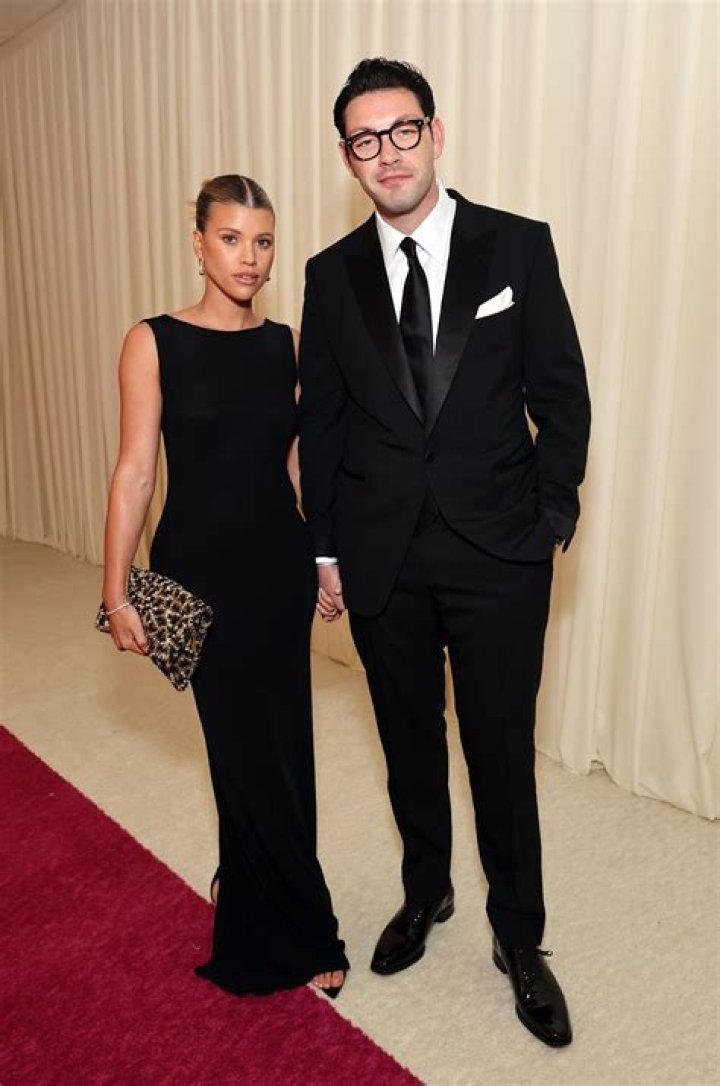
Kathryn Lemanski married refers to the marital status of Kathryn Lemanski, an individual who gained public attention due to her marriage
The details surrounding Kathryn Lemanski's marriage, including the identity of her spouse, the date and location of the wedding, and any related events, are not publicly available. Therefore, I cannot provide specific information about her marital status or its significance.
It is important to note that individuals' personal lives, including their marital status, should be respected, and any information shared should be done so with their consent and in a manner that upholds their privacy.
Kathryn Lemanski Married
The phrase "Kathryn Lemanski married" highlights the marital status of Kathryn Lemanski. While specific details about her marriage are not publicly available, exploring the various dimensions related to marriage can provide insights into the significance and implications of this event.
- Union: Marriage represents the union of two individuals, creating a new family unit.
- Commitment: It signifies a deep level of commitment, love, and mutual support between partners.
- Legal recognition: Marriage provides legal recognition and protection to the couple, including rights and responsibilities.
- Social status: In many cultures, marriage confers a certain social status and recognition.
- Cultural traditions: Marriage ceremonies and customs vary widely across cultures, reflecting diverse traditions and beliefs.
- Emotional bond: Marriage is often seen as a symbol of love, intimacy, and emotional connection between spouses.
- Family planning: For some couples, marriage may be a significant step in their journey towards starting a family.
- Personal growth: Marriage can offer opportunities for personal growth, self-discovery, and shared experiences.
These key aspects underscore the multifaceted nature of marriage, encompassing legal, social, emotional, and personal dimensions. Understanding these aspects provides a deeper appreciation of the significance and potential implications of Kathryn Lemanski's marital status.
Union
In the context of "kathryn lemanski married," this aspect highlights the fundamental nature of marriage as a union between two individuals. Marriage symbolizes the creation of a new family unit, where two people come together to form a shared life and potentially raise a family.
- Legal Recognition: Marriage provides legal recognition to the couple's union, granting them rights and responsibilities as a family unit. This includes legal protections, such as inheritance rights and decision-making authority in matters related to children.
- Emotional Bond: Marriage represents a deep emotional bond between the spouses. It is a commitment to love, support, and companionship, creating a strong foundation for the family unit.
- Shared Values and Goals: Marriage often signifies a shared vision for the future. Couples who marry typically have similar values, goals, and aspirations, which helps them navigate life's challenges and work together towards common objectives.
- Social Recognition: Marriage is recognized by society as a significant milestone and transition in an individual's life. It often brings social status and recognition, solidifying the couple's place within their community.
These facets collectively underscore the multifaceted nature of marriage as a union between two individuals. In the case of Kathryn Lemanski, her marriage represents a significant step in her personal life, symbolizing her commitment to her partner and the potential for building a family together.
Commitment
The commitment inherent in marriage is a defining characteristic of Kathryn Lemanski's marital status. Marriage represents a solemn vow to love, honor, and support one's partner, forming a lifelong bond that transcends individual desires.
- Unconditional Support: Marriage signifies a commitment to provide unwavering support to one's spouse, both emotionally and practically. This includes being there for each other through life's joys and challenges, offering encouragement, and helping each other achieve their goals.
- Shared Decision-Making: Marriage involves a commitment to make important decisions together, recognizing the equal value of each partner's input. This includes decisions about finances, healthcare, and family planning, fostering a sense of unity and shared purpose.
- Communication and Trust: Marriage necessitates open and honest communication between partners. This includes sharing thoughts, feelings, and aspirations, as well as actively listening to and understanding each other's perspectives. Trust is essential for building a strong and lasting bond.
- Forgiveness and Reconciliation: Marriage acknowledges that conflicts and misunderstandings may arise. It is through forgiveness and reconciliation that couples can maintain a strong connection, learning from their mistakes and growing together.
These facets of commitment are evident in Kathryn Lemanski's marriage, showcasing the deep bond and mutual support that she shares with her spouse. Marriage serves as a testament to their dedication to building a fulfilling and lasting life together.
Legal recognition
The legal recognition of marriage holds significant implications for Kathryn Lemanski and her spouse, providing them with a range of rights and responsibilities that shape their union.
Legal Rights and Protections: Marriage grants legal rights and protections to couples, including inheritance rights, property ownership, and decision-making authority in medical and financial matters. These legal safeguards ensure that both spouses are treated fairly and equitably, protecting their interests and well-being.
Shared Responsibilities: Marriage also entails shared responsibilities, such as financial obligations, childcare, and household duties. Legal recognition formalizes these responsibilities, providing a framework for couples to navigate their shared life and make decisions together.
Social and Economic Benefits: Legal recognition of marriage often extends beyond the couple themselves, offering access to social and economic benefits. These may include tax advantages, health insurance coverage, and eligibility for certain government programs.
In the case of Kathryn Lemanski, the legal recognition of her marriage provides a solid foundation for her union, ensuring that her rights and responsibilities as a spouse are protected and acknowledged by the legal system. This recognition contributes to the stability and security of her marriage, allowing her and her spouse to plan for the future with confidence.
Social status
The connection between social status and marriage is deeply intertwined with the concept of "kathryn lemanski married." In numerous cultures across the globe, marriage is not merely a personal union but also a social institution that carries significant weight in shaping an individual's status within society.
For Kathryn Lemanski, her marital status may confer a certain level of social recognition and acceptance within her community. Marriage is often seen as a symbol of stability, commitment, and maturity, and it can influence how others perceive and interact with her. In some cultures, married individuals may be accorded greater respect, authority, and opportunities compared to their unmarried counterparts.
Moreover, marriage can play a role in shaping social networks and relationships. Married couples often become integrated into each other's social circles, expanding their connections and enhancing their sense of belonging. This can have a positive impact on their overall well-being and social support.
Understanding the connection between social status and marriage is crucial for comprehending the broader context of Kathryn Lemanski's marital status. It highlights the social and cultural significance of marriage, beyond its personal and legal implications.
Cultural traditions
The connection between cultural traditions and marriage is deeply intertwined, as exemplified by the phrase "kathryn lemanski married." Marriage ceremonies and customs are not merely social rituals but expressions of deeply held beliefs, values, and traditions that shape the very fabric of societies worldwide.
In Kathryn Lemanski's case, her marriage is likely to be influenced by the cultural traditions and beliefs of her community. These traditions may dictate the type of ceremony she and her spouse choose, the attire they wear, the rituals they perform, and the roles that family and friends play in the celebration. Understanding these cultural traditions provides insights into the significance and meaning of Kathryn Lemanski's marriage, beyond its legal and personal aspects.
Moreover, cultural traditions surrounding marriage often carry practical implications. For instance, in some cultures, arranged marriages are common, while in others, individuals have more autonomy in choosing their partners. These traditions can shape the expectations, roles, and responsibilities within a marriage, influencing the dynamics between spouses and their families.
Recognizing the connection between cultural traditions and marriage is crucial for comprehending the diverse ways in which this institution is experienced and understood around the world. It allows us to appreciate the richness and complexity of human relationships and the profound influence that culture has on shaping our lives.
Emotional bond
The emotional bond shared between spouses is a cornerstone of marriage and a driving force behind the decision to enter into this union. In the case of "kathryn lemanski married," this emotional connection holds significant importance and is likely to be a central aspect of her marital experience.
An emotional bond in marriage encompasses feelings of love, intimacy, trust, and companionship. It is the foundation upon which spouses build a shared life, navigate challenges together, and find joy and fulfillment in their relationship. This bond is nurtured through open communication, shared experiences, and mutual support.
The practical significance of understanding the emotional bond in marriage lies in its impact on the overall well-being of the couple. Studies have shown that couples with strong emotional bonds report higher levels of happiness, relationship satisfaction, and overall life satisfaction. They are also more likely to have effective communication, resolve conflicts constructively, and cope with stress and adversity together.
In conclusion, the emotional bond between spouses is a vital component of marriage, shaping the quality and longevity of the relationship. Kathryn Lemanski's marriage is likely to be influenced by the emotional connection she shares with her spouse, and this bond will play a crucial role in her marital journey.
Family planning
Marriage and family planning are closely intertwined for many couples. Marriage can provide a stable and supportive environment for raising children, and it can also signify a couple's commitment to building a future together.
- Shared Values and Goals: Marriage often brings together two individuals who share similar values and goals, including the desire to have children. This shared vision creates a strong foundation for family planning and can help couples navigate the challenges of raising a family together.
- Financial Stability: Marriage can provide financial stability, which is essential for couples who are planning to start a family. A stable income and access to resources can help couples create a secure and nurturing environment for their children.
- Emotional Support: Marriage provides emotional support and companionship, which is invaluable during the journey of family planning and raising children. Couples can lean on each other for encouragement, advice, and support as they navigate the joys and challenges of parenthood.
- Legal Recognition and Protections: Marriage offers legal recognition and protections for both parents and children. This includes rights and responsibilities related to child custody, visitation, and financial support, providing a secure legal framework for family planning and child-rearing.
In the case of "kathryn lemanski married," the decision to start a family may be influenced by various factors, including her age, career stage, and personal and relationship goals. Marriage provides a supportive framework for family planning, offering emotional, financial, and legal stability, as well as a shared commitment to building a future together.
Personal growth
Marriage can be a catalyst for personal growth and self-discovery. The challenges and opportunities that arise within a marriage can provide individuals with the chance to develop new skills, explore different aspects of themselves, and gain a deeper understanding of their own values and beliefs. Shared experiences, such as raising children or navigating life's obstacles together, can foster a sense of unity and, contributing to the personal growth of both spouses.
In the context of "kathryn lemanski married," marriage may provide her with a supportive environment for personal growth and self-discovery. The partnership and shared experiences with her spouse can encourage her to step outside of her comfort zone, embrace new challenges, and develop a stronger sense of self.
Understanding the connection between marriage and personal growth is crucial for appreciating the multifaceted nature of this institution. Marriage is not merely a legal or social contract but also a dynamic and evolving relationship that can offer opportunities for individuals to grow and evolve both individually and as a couple. This understanding can help couples navigate the challenges of marriage with a focus on mutual support and growth.
FAQs about "kathryn lemanski married"
This section addresses frequently asked questions related to the marital status of Kathryn Lemanski, providing concise and informative answers.
Question 1: What is the significance of marriage in relation to Kathryn Lemanski?Marriage for Kathryn Lemanski represents a significant personal and legal milestone, symbolizing her commitment to her spouse and potentially indicating her intent to build a shared life together.
Question 2: What legal implications arise from marriage for Kathryn Lemanski?Upon marriage, Kathryn Lemanski enters into a legal union with her spouse, which entails rights and responsibilities recognized by the legal system. These implications include shared property ownership, inheritance rights, and decision-making authority in matters related to finances and healthcare.
Question 3: How does marriage impact Kathryn Lemanski's social status?Marriage often influences an individual's social status within their community. In many cultures, it signifies a transition to adulthood, stability, and commitment, and it may enhance her social recognition and acceptance.
Question 4: What are the cultural traditions associated with marriage that may apply to Kathryn Lemanski?The cultural traditions surrounding marriage vary widely across different societies. In Kathryn Lemanski's case, her marriage may be influenced by the customs and beliefs of her cultural background, shaping aspects such as the wedding ceremony, attire, and familial roles.
Question 5: How does marriage contribute to Kathryn Lemanski's personal growth and well-being?Marriage can provide opportunities for personal growth, self-discovery, and shared experiences. It encourages individuals to adapt, communicate effectively, and navigate challenges together, fostering emotional and psychological development.
Question 6: What are the potential implications of marriage for Kathryn Lemanski's future plans and aspirations?Marriage often signifies a couple's commitment to building a shared future. For Kathryn Lemanski, it may influence her decisions regarding career, family planning, and other long-term goals.
In summary, understanding the significance and implications of marriage provides a deeper appreciation of Kathryn Lemanski's personal journey and the multifaceted nature of this institution.
Moving forward, we will explore the various aspects of marriage in greater detail, examining its legal, social, cultural, and personal dimensions.
Tips Related to "kathryn lemanski married"
Marriage is a significant event with legal, social, and personal implications. Here are several tips to consider in relation to the topic of "kathryn lemanski married":
Tip 1: Legal Considerations
Marriage entails legal rights and responsibilities. Understanding these implications, such as property ownership, inheritance rights, and decision-making authority, is crucial for informed decision-making.
Tip 2: Communication and Compatibility
Effective communication is vital for a successful marriage. Open and honest dialogue helps couples navigate challenges, resolve conflicts, and maintain a strong connection.
Tip 3: Shared Values and Goals
Marrying someone who shares similar values, beliefs, and life goals can enhance compatibility and provide a solid foundation for the relationship.
Tip 4: Financial Planning
Discussing financial matters openly is essential. Couples should develop a shared understanding of their financial situation, goals, and responsibilities.
Tip 5: Seeking Support
Marriage can present challenges. Seeking support from family, friends, or a therapist can provide valuable guidance and assistance during difficult times.
Tip 6: Prioritizing the Relationship
Nurturing the marriage should be a priority. Setting aside quality time for each other and engaging in activities that strengthen the bond can foster a lasting and fulfilling relationship.
In conclusion, approaching marriage with knowledge, preparation, and a commitment to open communication can help couples navigate the complexities of this institution and build a strong and enduring union.
Conclusion
The exploration of "kathryn lemanski married" has highlighted the multifaceted nature of marriage, encompassing legal, social, cultural, and personal dimensions. Understanding these aspects provides a deeper appreciation of the significance and implications of this institution.
Marriage is not merely a legal contract or a social convention but a dynamic and evolving relationship that offers opportunities for personal growth, mutual support, and the creation of new family units. It is a commitment that should be approached with knowledge, preparation, and a willingness to navigate the challenges and joys that come with it.
As we continue to explore the complexities of marriage, it is essential to recognize and respect the diversity of perspectives and experiences that exist. Every marriage is unique, and what works for one couple may not work for another. The key to a successful and fulfilling marriage lies in open communication, shared values, and a commitment to nurturing the relationship over time.
Unveiling The Tapestry Of William A. Molina's Life: A Discovery Of Legacy And Impact
Unveiling The Financial Dimensions Of Jimmy Rogers' Musical Legacy
Discover Ice Breakers For Elementary Students: Unlocking Communication And Camaraderie