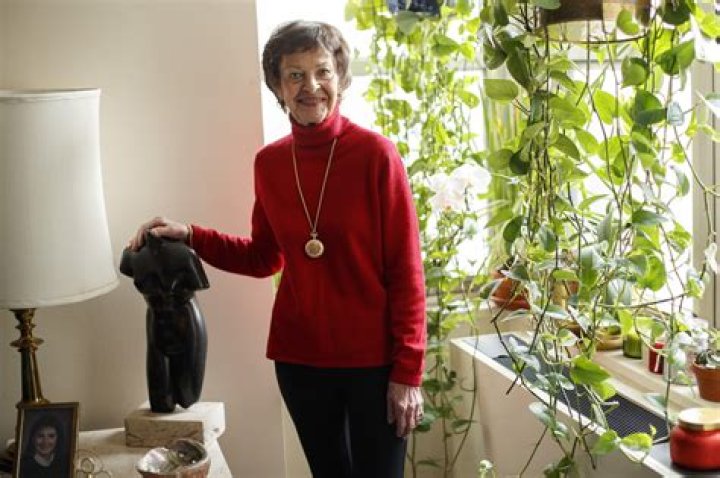
Noonan syndrome is a genetic disorder that affects the development of many parts of the body. It is named after Jacqueline Noonan, a pediatric cardiologist who first described the condition in 1963. Noonan syndrome is caused by mutations in one of several genes that are involved in the development of the heart, face, and limbs. The most common gene mutation associated with Noonan syndrome is a mutation in the PTPN11 gene.
Noonan syndrome can cause a wide range of symptoms, including distinctive facial features, short stature, heart defects, and developmental delays. The severity of symptoms can vary widely, even among people with the same gene mutation. There is no cure for Noonan syndrome, but treatment can help to manage the symptoms and improve the quality of life for people with the condition.
Noonan syndrome is a relatively rare condition, affecting about 1 in 1,000 to 1 in 2,500 people. It is more common in boys than in girls. Noonan syndrome is inherited in an autosomal dominant manner, which means that only one copy of the mutated gene is needed to cause the condition.
Noonan Syndrome
Noonan syndrome is a genetic disorder that affects the development of many parts of the body. It is named after Jacqueline Noonan, a pediatric cardiologist who first described the condition in 1963.
- Genetic: Noonan syndrome is caused by mutations in one of several genes that are involved in the development of the heart, face, and limbs.
- Rare: Noonan syndrome is a relatively rare condition, affecting about 1 in 1,000 to 1 in 2,500 people.
- Developmental: Noonan syndrome can cause a wide range of developmental delays, including speech and language delays, motor delays, and learning disabilities.
- Physical: Noonan syndrome can cause a variety of physical features, including distinctive facial features, short stature, heart defects, and chest deformities.
- Medical: Noonan syndrome can increase the risk of certain medical problems, such as feeding difficulties, hearing loss, and eye problems.
- Genetic counseling: Genetic counseling can help families understand the risks of having a child with Noonan syndrome and make informed decisions about family planning.
- Treatment: There is no cure for Noonan syndrome, but treatment can help to manage the symptoms and improve the quality of life for people with the condition.
- Support: There are a number of support groups and organizations available to help families and individuals affected by Noonan syndrome.
- Research: Ongoing research is helping to improve our understanding of Noonan syndrome and develop new treatments.
Noonan syndrome is a complex condition that can affect many different aspects of a person's life. However, with early diagnosis and appropriate treatment, people with Noonan syndrome can live full and happy lives.
Genetic
Noonan syndrome is a genetic disorder that is caused by mutations in one of several genes that are involved in the development of the heart, face, and limbs. These genes are responsible for producing proteins that are essential for normal development. Mutations in these genes can disrupt the production of these proteins, which can lead to the development of Noonan syndrome.
- PTPN11 gene: The PTPN11 gene is the most common gene that is mutated in Noonan syndrome. This gene produces a protein that is involved in the regulation of cell growth and differentiation. Mutations in the PTPN11 gene can lead to the development of Noonan syndrome by disrupting the normal function of this protein.
- SOS1 gene: The SOS1 gene is another gene that can be mutated in Noonan syndrome. This gene produces a protein that is involved in the activation of a signaling pathway that is essential for normal cell growth and differentiation. Mutations in the SOS1 gene can lead to the development of Noonan syndrome by disrupting the normal function of this protein.
- RAF1 gene: The RAF1 gene is another gene that can be mutated in Noonan syndrome. This gene produces a protein that is involved in the activation of a signaling pathway that is essential for normal cell growth and differentiation. Mutations in the RAF1 gene can lead to the development of Noonan syndrome by disrupting the normal function of this protein.
- SHOC2 gene: The SHOC2 gene is another gene that can be mutated in Noonan syndrome. This gene produces a protein that is involved in the regulation of cell growth and differentiation. Mutations in the SHOC2 gene can lead to the development of Noonan syndrome by disrupting the normal function of this protein.
These are just a few of the genes that can be mutated in Noonan syndrome. Mutations in any of these genes can lead to the development of the condition. The severity of Noonan syndrome can vary depending on the specific gene that is mutated and the type of mutation that occurs.
Rare
The rarity of Noonan syndrome means that it is often difficult for families to find information and support. There are a number of organizations that provide support to families affected by Noonan syndrome, such as the Noonan Syndrome Foundation and the Children's Tumor Foundation.
- Genetic counseling: Genetic counseling can help families understand the risks of having a child with Noonan syndrome and make informed decisions about family planning.
- Support groups: Support groups can provide families with a sense of community and a place to share information and experiences.
- Research: Research is ongoing to better understand the causes and treatments of Noonan syndrome.
- Advocacy: Advocacy groups work to raise awareness of Noonan syndrome and to ensure that families have access to the resources they need.
The rarity of Noonan syndrome can make it challenging for families, but there are a number of resources available to help. Families can find support, information, and hope through these organizations.
Developmental
Developmental delays are a common feature of Noonan syndrome. These delays can range from mild to severe and can affect many different areas of development, including speech and language, motor skills, and learning.
- Speech and language delays: Children with Noonan syndrome may have difficulty with speech and language development. They may start talking later than other children and may have trouble with pronunciation, grammar, and vocabulary.
- Motor delays: Children with Noonan syndrome may also have motor delays. They may have difficulty with gross motor skills, such as walking and running, and fine motor skills, such as writing and drawing.
- Learning disabilities: Children with Noonan syndrome may also have learning disabilities. They may have difficulty with reading, writing, and math. They may also have difficulty with attention and memory.
The developmental delays associated with Noonan syndrome can vary widely from person to person. Some people with Noonan syndrome may only have mild delays, while others may have more severe delays that require special education and support services.
Physical
The physical features of Noonan syndrome can vary widely from person to person. Some people with Noonan syndrome may only have a few mild physical features, while others may have more severe features that require medical attention.
Some of the most common physical features of Noonan syndrome include:
- Distinctive facial features, such as a broad forehead, widely spaced eyes, a short nose with a broad nasal bridge, and a small chin
- Short stature
- Heart defects, such as pulmonary stenosis and hypertrophic cardiomyopathy
- Chest deformities, such as pectus excavatum and pectus carinatum
Medical
Noonan syndrome is a genetic condition that can affect many parts of the body, including the heart, face, and limbs. In addition to the physical features and developmental delays that are common in Noonan syndrome, the condition can also increase the risk of certain medical problems, such as feeding difficulties, hearing loss, and eye problems.
- Feeding difficulties: Children with Noonan syndrome may have difficulty feeding due to a variety of factors, such as a small mouth, a cleft palate, or difficulty coordinating sucking and swallowing. Feeding difficulties can lead to malnutrition and other health problems.
- Hearing loss: Hearing loss is another common problem in children with Noonan syndrome. Hearing loss can range from mild to severe and can be caused by a variety of factors, such as fluid in the middle ear, ear infections, or malformations of the inner ear.
- Eye problems: Children with Noonan syndrome may also have a variety of eye problems, such as strabismus (crossed eyes), nystagmus (rapid eye movements), and ptosis (droopy eyelids). Eye problems can interfere with vision and can lead to amblyopia (lazy eye).
The medical problems associated with Noonan syndrome can have a significant impact on the health and well-being of children with the condition. It is important for parents and caregivers to be aware of these potential problems and to seek early diagnosis and treatment to minimize their impact.
Genetic counseling
Genetic counseling is an important part of family planning for families affected by Noonan syndrome. Genetic counselors can provide information about the condition, its causes, and its inheritance pattern. They can also help families understand the risks of having a child with Noonan syndrome and make informed decisions about family planning.
For example, genetic counselors can help families understand the following:
- The likelihood of having a child with Noonan syndrome if one or both parents have the condition
- The different types of genetic testing available and the benefits and risks of each test
- The options for prenatal diagnosis and the implications of a positive or negative diagnosis
- The resources available to families affected by Noonan syndrome
Genetic counseling can help families make informed decisions about family planning and can provide them with the support and information they need to cope with the challenges of having a child with Noonan syndrome.
In addition to providing information and support, genetic counselors can also help families connect with other families affected by Noonan syndrome. This can be a valuable source of support and information for families who are coping with the challenges of raising a child with Noonan syndrome.
Genetic counseling is an important part of family planning for families affected by Noonan syndrome. Genetic counselors can provide information, support, and guidance to help families understand the condition and make informed decisions about family planning.
Treatment
Noonan syndrome is a genetic condition that can affect many parts of the body. There is no cure for Noonan syndrome, but treatment can help to manage the symptoms and improve the quality of life for people with the condition.
- Medical treatment: Medical treatment can help to manage the symptoms of Noonan syndrome, such as heart defects, feeding difficulties, and hearing loss. Medical treatment may include medications, surgery, and other therapies.
- Educational support: Educational support can help children with Noonan syndrome to learn and develop to their full potential. Educational support may include special education services, speech therapy, and occupational therapy.
- Social support: Social support can help families and individuals affected by Noonan syndrome to cope with the challenges of the condition. Social support may include support groups, counseling, and respite care.
- Research: Research is ongoing to better understand the causes and treatments of Noonan syndrome. Research may lead to new treatments that can improve the quality of life for people with Noonan syndrome.
Treatment for Noonan syndrome is individualized and depends on the specific symptoms and needs of the person with the condition. Early diagnosis and treatment can help to improve the quality of life for people with Noonan syndrome.
Support
Noonan syndrome is a rare genetic disorder that can affect many parts of the body. It can cause a wide range of symptoms, including distinctive facial features, short stature, heart defects, and developmental delays. Living with Noonan syndrome can be challenging, both for the individual and for their family. Support groups and organizations can provide much-needed support, information, and resources to help families cope with the challenges of Noonan syndrome.
Support groups can provide a sense of community and belonging for families affected by Noonan syndrome. They can offer a safe space to share experiences, ask questions, and learn from others who are going through similar challenges. Support groups can also provide information about Noonan syndrome, including the latest research and treatment options. In addition, support groups can advocate for the needs of individuals with Noonan syndrome and their families.
Organizations such as the Noonan Syndrome Foundation and the Children's Tumor Foundation provide a range of services to families affected by Noonan syndrome. These services may include financial assistance, educational resources, and advocacy. Organizations can also provide support to families through online forums and social media groups.
Support groups and organizations can play a vital role in the lives of families affected by Noonan syndrome. They can provide much-needed support, information, and resources. This can help families to cope with the challenges of Noonan syndrome and to improve the quality of life for their loved ones.
Research
Research is essential for understanding the causes and developing treatments for Noonan syndrome. Ongoing research is helping to improve our understanding of the genetic basis of Noonan syndrome, which is leading to the development of new targeted therapies. In addition, research is also helping to develop new treatments for the symptoms of Noonan syndrome, such as heart defects and developmental delays.
- Genetic research: Genetic research is helping to identify the genes that are responsible for Noonan syndrome. This research is leading to the development of new genetic tests that can be used to diagnose Noonan syndrome and to identify individuals who are at risk of developing the condition.
- Treatment research: Treatment research is helping to develop new treatments for the symptoms of Noonan syndrome. This research is leading to the development of new medications, surgeries, and other therapies that can improve the quality of life for people with Noonan syndrome.
- Outcome research: Outcome research is helping to track the long-term outcomes of people with Noonan syndrome. This research is helping to identify the factors that affect the prognosis of Noonan syndrome and to develop new strategies for improving the outcomes of people with the condition.
- Prevention research: Prevention research is helping to identify the factors that increase the risk of developing Noonan syndrome. This research is leading to the development of new strategies for preventing Noonan syndrome, such as genetic counseling and prenatal testing.
The Noonan Syndrome Foundation is a leading organization that supports research into Noonan syndrome. The Foundation funds research projects that are focused on understanding the causes, developing treatments, and improving the outcomes of Noonan syndrome.
FAQs on Noonan Syndrome
Noonan syndrome is a rare genetic condition that affects many parts of the body. It can cause a wide range of symptoms, including distinctive facial features, short stature, heart defects, and developmental delays. Noonan syndrome is a complex condition, but there are many resources available to help families and individuals affected by the condition.
Question 1: What causes Noonan syndrome?
Answer: Noonan syndrome is caused by mutations in one of several genes that are involved in the development of the heart, face, and limbs.
Question 2: How is Noonan syndrome diagnosed?
Answer: Noonan syndrome is diagnosed based on a physical examination and a review of the individual's medical history. Genetic testing can also be used to confirm the diagnosis.
Question 3: What are the treatments for Noonan syndrome?
Answer: There is no cure for Noonan syndrome, but treatment can help to manage the symptoms and improve the quality of life for people with the condition. Treatment may include medications, surgery, and other therapies.
Question 4: What is the prognosis for people with Noonan syndrome?
Answer: The prognosis for people with Noonan syndrome varies depending on the severity of the condition. With early diagnosis and treatment, most people with Noonan syndrome can live full and happy lives.
Question 5: Where can I get more information about Noonan syndrome?
Answer: There are a number of organizations that provide information and support to families and individuals affected by Noonan syndrome. These organizations include the Noonan Syndrome Foundation and the Children's Tumor Foundation.
Question 6: How can I support someone with Noonan syndrome?
Answer: There are a number of ways to support someone with Noonan syndrome. You can provide emotional support, help with practical tasks, and advocate for their needs.
Summary: Noonan syndrome is a complex condition, but there are many resources available to help families and individuals affected by the condition. With early diagnosis and treatment, most people with Noonan syndrome can live full and happy lives.
Transition to the next article section: If you have any questions or concerns about Noonan syndrome, please contact your doctor or a genetic counselor.
Tips for Families and Individuals Affected by Noonan Syndrome
Noonan syndrome is a rare genetic condition that can affect many parts of the body. It can cause a wide range of symptoms, including distinctive facial features, short stature, heart defects, and developmental delays. Noonan syndrome is a complex condition, but there are many resources available to help families and individuals affected by the condition.
Here are five tips for families and individuals affected by Noonan syndrome:
Tip 1: Get a diagnosis as early as possible. Early diagnosis is important for Noonan syndrome because it allows for early intervention and treatment. Early intervention can help to improve the outcomes for children with Noonan syndrome.Tip 2: Find a doctor who is familiar with Noonan syndrome. Not all doctors are familiar with Noonan syndrome. It is important to find a doctor who is knowledgeable about the condition and who can provide you with the best possible care.Tip 3: Join a support group. Support groups can provide you with a sense of community and belonging. They can also be a valuable source of information and support.Tip 4: Be an advocate for your child or loved one. Noonan syndrome can be a challenging condition, but it is important to be an advocate for your child or loved one. This means speaking up for their needs and ensuring that they receive the best possible care.Tip 5: Don't give up hope. Noonan syndrome is a complex condition, but it is important to remember that there is hope. With early diagnosis and treatment, most people with Noonan syndrome can live full and happy lives.Summary: Noonan syndrome is a challenging condition, but there are many resources available to help families and individuals affected by the condition. By following these five tips, you can help to improve the outcomes for your child or loved one.
Conclusion: If you have any questions or concerns about Noonan syndrome, please contact your doctor or a genetic counselor.
Conclusion
Noonan syndrome is a complex genetic condition that affects many parts of the body. It can cause a wide range of symptoms, including distinctive facial features, short stature, heart defects, and developmental delays. Noonan syndrome is a rare condition, but it is important to be aware of the condition and its symptoms. Early diagnosis and treatment can help to improve the outcomes for people with Noonan syndrome.
There are many resources available to help families and individuals affected by Noonan syndrome. Support groups, organizations, and medical professionals can provide information, support, and guidance. With early diagnosis and treatment, most people with Noonan syndrome can live full and happy lives.
Unveiling The Enchanting World Of Lisa Helou: Discoveries And Insights
Unveiling The Significance Of Duduzane Zuma's Age: A Journey Of Discoveries
Miranda Hart's Illness: Unveiling Hidden Truths And Empowering Recovery