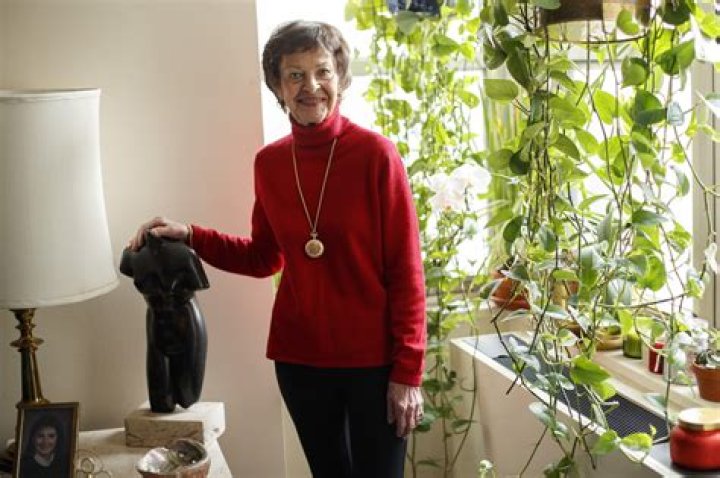
Helena de Chair was an English-born French artist, whose work was prolific during the first half of the 20th century. De Chair developed a unique and recognizable style that was influenced by both traditional and modern art movements.
De Chair's work was notable for its use of bold colors and patterns, as well as its exploration of themes related to nature and spirituality. She is best known for her paintings, which often featured depictions of animals, landscapes, and human figures. De Chair's work has been exhibited in galleries and museums around the world, and she is considered to be one of the most important female artists of the 20th century.
In addition to her painting, de Chair was also a talented sculptor and designer. She created a number of public artworks, including a fountain for the city of Paris. De Chair was also a vocal advocate for the rights of women and artists. She was a founding member of the National Association of Women Artists and served as its president from 1935 to 1937.
Helena de Chair
Helena de Chair was a prolific and versatile artist whose work encompassed painting, sculpture, and design. Her unique style and commitment to exploring themes of nature and spirituality have made her one of the most significant female artists of the 20th century.
- Bold colors and patterns: De Chair's work is characterized by its vibrant and eye-catching use of color and pattern.
- Exploration of nature and spirituality: De Chair's paintings often depict animals, landscapes, and human figures in a way that explores the interconnectedness of all living things.
- Influenced by both traditional and modern art movements: De Chair's work shows the influence of both traditional and modern art movements, including Fauvism, Cubism, and Surrealism.
- Prolific career: De Chair produced a large body of work over the course of her career, including paintings, sculptures, and public artworks.
- Exhibited in galleries and museums around the world: De Chair's work has been exhibited in galleries and museums around the world, including the Muse d'Art Moderne de Paris and the Tate Gallery in London.
- Advocate for the rights of women and artists: De Chair was a vocal advocate for the rights of women and artists. She was a founding member of the National Association of Women Artists and served as its president from 1935 to 1937.
- Unique and recognizable style: De Chair developed a unique and recognizable style that is instantly recognizable.
- Considered one of the most important female artists of the 20th century: De Chair is considered to be one of the most important female artists of the 20th century.
- Legacy: De Chair's work continues to inspire and influence artists today.
Helena de Chair's work is a testament to her talent, creativity, and commitment to exploring the human experience. Her work continues to be celebrated and enjoyed by people all over the world.
Bold colors and patterns
Helena de Chair was known for her bold and vibrant use of color and pattern. This was evident in all of her work, from her paintings to her sculptures to her public artworks.
- Facet 1: Color as a means of expression
De Chair used color to express her emotions and ideas. Her paintings are often full of bright, cheerful colors that reflect her optimistic outlook on life. However, she also used color to create more somber and introspective works.
- Facet 2: Pattern as a way to create visual interest
De Chair often used patterns in her work to create visual interest. Her patterns are often complex and intricate, and they add a sense of movement and energy to her work.
- Facet 3: Color and pattern in combination
De Chair's use of color and pattern is often combined to create a sense of harmony and balance. Her work is often visually appealing, and it draws the viewer in.
- Facet 4: The influence of other artists
De Chair's use of color and pattern was influenced by a variety of other artists, including the Fauves and the Cubists. However, she developed her own unique style that is instantly recognizable.
De Chair's bold use of color and pattern is one of the things that makes her work so distinctive. Her work is full of life and energy, and it is sure to brighten up any room.
Exploration of nature and spirituality
Helena de Chair's exploration of nature and spirituality is a central theme in her work. Her paintings often depict animals, landscapes, and human figures in a way that explores the interconnectedness of all living things.
- Facet 1: Nature as a source of inspiration
De Chair found inspiration in the natural world. Her paintings often depict animals, plants, and landscapes in a way that captures their beauty and their interconnectedness.
- Facet 2: Spirituality as a way of understanding the world
De Chair's paintings also explore spiritual themes. She believed that there is a spiritual dimension to the natural world, and her paintings often depict the interconnectedness of all living things.
- Facet 3: The human figure as a part of nature
De Chair's paintings often depict the human figure as a part of nature. She believed that humans are not separate from the natural world, but rather a part of it.
- Facet 4: The interconnectedness of all living things
De Chair's paintings explore the interconnectedness of all living things. She believed that all living things are connected to each other, and that we are all part of a larger web of life.
De Chair's exploration of nature and spirituality is a unique and important part of her work. Her paintings offer a glimpse into her own spiritual journey, and they invite viewers to reflect on their own relationship to the natural world.
Influenced by both traditional and modern art movements
Helena de Chair's work is influenced by both traditional and modern art movements. This is evident in her use of color, her depiction of form, and her exploration of subject matter.
- Facet 1: Traditional influences
De Chair's work shows the influence of traditional art movements such as the Renaissance and Impressionism. This is evident in her use of realistic depiction and her focus on light and shadow.
- Facet 2: Modern influences
De Chair's work also shows the influence of modern art movements such as Fauvism and Cubism. This is evident in her use of bold colors and her simplified forms.
- Facet 3: Surrealist influences
De Chair's work also shows the influence of Surrealism. This is evident in her use of dreamlike imagery and her exploration of the subconscious.
- Facet 4: A unique style
While De Chair's work is influenced by a variety of art movements, she developed her own unique style that is instantly recognizable. Her work is characterized by its bold colors, simplified forms, and dreamlike imagery.
De Chair's work is a testament to her talent and her ability to synthesize different art movements into her own unique style. Her work is a valuable contribution to the history of art.
Prolific career
Helena de Chair was a prolific artist, producing a large body of work over the course of her career. This includes paintings, sculptures, and public artworks. Her prolificacy is a testament to her dedication to her craft and her passion for creating art.
- Facet 1: Range of artistic media
De Chair's work encompasses a wide range of artistic media, including painting, sculpture, and public art. This demonstrates her versatility as an artist and her ability to express herself through different mediums.
- Facet 2: Consistency of artistic vision
Despite working in a variety of media, De Chair's work is characterized by a consistent artistic vision. Her work is often bold and colorful, and it explores themes of nature and spirituality.
- Facet 3: Prolificacy as a reflection of passion
De Chair's prolificacy is a reflection of her passion for art. She was driven to create, and she produced a large body of work as a result.
- Facet 4: Legacy of artistic achievement
De Chair's prolificacy has left a lasting legacy of artistic achievement. Her work is now held in museums and galleries around the world, and it continues to inspire artists and art lovers alike.
Exhibited in galleries and museums around the world
Helena de Chair's work has been exhibited in galleries and museums around the world, including the Muse d'Art Moderne de Paris and the Tate Gallery in London. This is a testament to the quality and importance of her work. It also speaks to her international reputation as a significant artist.
- International recognition
De Chair's work has been exhibited in some of the most prestigious galleries and museums in the world. This is a testament to her international recognition as a significant artist.
- Quality and importance of her work
De Chair's work is of the highest quality and importance. This is why it has been exhibited in such prestigious venues.
- Contribution to the art world
De Chair's work has made a significant contribution to the art world. Her unique style and vision have influenced other artists and continue to inspire people today.
De Chair's work is a valuable addition to the art world. Her unique style and vision have made her one of the most important artists of the 20th century. Her work continues to be exhibited in galleries and museums around the world, and it continues to inspire people today.
Advocate for the rights of women and artists
Helena de Chair was a strong advocate for the rights of women and artists. She believed that women should have the same opportunities as men to pursue their artistic careers. She was a founding member of the National Association of Women Artists (NAWA) and served as its president from 1935 to 1937. NAWA was an important organization that provided support and opportunities for women artists. It helped to raise the profile of women artists and to challenge the prevailing view that women were not as capable as men in the arts.
De Chair's advocacy for the rights of women and artists had a significant impact on the art world. She helped to create a more inclusive and equitable environment for women artists. Her work continues to inspire and empower women artists today.
De Chair's advocacy for the rights of women and artists is an important part of her legacy. It is a reminder that art can be a powerful tool for social change. De Chair's work helped to make the art world more inclusive and equitable, and it continues to inspire and empower women artists today.
Unique and recognizable style
Helena de Chair's unique and recognizable style is one of the things that makes her work so distinctive. Her work is characterized by its bold colors, simplified forms, and dreamlike imagery. This style is evident in all of her work, from her paintings to her sculptures to her public artworks.
- Facet 1: Bold colors
De Chair's use of color is one of the most distinctive features of her work. She uses bold, vibrant colors that create a sense of energy and excitement. Her colors are often non-naturalistic, and she uses them to create a sense of fantasy and wonder.
- Facet 2: Simplified forms
De Chair's forms are often simplified and geometric. This gives her work a sense of order and clarity. Her simplified forms also help to create a sense of timelessness and universality.
- Facet 3: Dreamlike imagery
De Chair's work often has a dreamlike quality to it. This is due to her use of surreal imagery and her exploration of the subconscious. Her dreamlike imagery creates a sense of mystery and intrigue, and it invites viewers to explore their own imaginations.
- Facet 4: Influences
De Chair's style was influenced by a variety of sources, including Fauvism, Cubism, and Surrealism. However, she developed her own unique style that is instantly recognizable. Her work is a testament to her talent and her ability to synthesize different art movements into her own unique style.
De Chair's unique and recognizable style has made her one of the most important artists of the 20th century. Her work continues to inspire and influence artists today.
Considered one of the most important female artists of the 20th century
Helena de Chair is considered one of the most important female artists of the 20th century due to her unique style, her prolific career, and her influence on other artists. Her work has been exhibited in galleries and museums around the world, and it is held in many public and private collections.
De Chair's unique style is characterized by its bold colors, simplified forms, and dreamlike imagery. This style is evident in all of her work, from her paintings to her sculptures to her public artworks. Her work is often described as being both modern and timeless, and it has been compared to the work of artists such as Pablo Picasso and Henri Matisse.
De Chair's prolific career spanned over six decades. During this time, she produced a large body of work that includes paintings, sculptures, drawings, and prints. Her work has been exhibited in galleries and museums around the world, and it is held in many public and private collections.
De Chair's influence on other artists is undeniable. Her work has been cited as an influence by a number of contemporary artists, including Jenny Saville, Tracey Emin, and Paula Rego. De Chair's work has also been featured in a number of important exhibitions, including the 2018 exhibition "Women in Abstraction" at the Museum of Modern Art in New York.
De Chair's work is an important contribution to the history of art. Her unique style, her prolific career, and her influence on other artists make her one of the most important female artists of the 20th century.
Legacy
Helena de Chair's legacy as an artist is significant and continues to inspire and influence artists today. Her unique style, her prolific career, and her influence on other artists make her one of the most important female artists of the 20th century.
- Inspiration for contemporary artists
De Chair's work has been cited as an influence by a number of contemporary artists, including Jenny Saville, Tracey Emin, and Paula Rego. Her unique style and bold use of color and form have inspired these artists to explore their own creative boundaries.
- Inclusion in important exhibitions
De Chair's work has been featured in a number of important exhibitions, including the 2018 exhibition "Women in Abstraction" at the Museum of Modern Art in New York. This recognition has helped to raise her profile and introduce her work to a new generation of artists and art lovers.
- Continued relevance and influence
De Chair's work remains relevant and influential today. Her unique style and her exploration of themes such as nature, spirituality, and the female experience continue to resonate with artists and viewers alike.
Helena de Chair's legacy as an artist is one of inspiration and influence. Her work continues to inspire and influence artists today, and her unique style and vision continue to make her one of the most important female artists of the 20th century.
FAQs about Helena de Chair
Helena de Chair was a prolific and versatile artist whose work encompassed painting, sculpture, and design. Her unique style and commitment to exploring themes of nature and spirituality have made her one of the most significant female artists of the 20th century. Here are some frequently asked questions about Helena de Chair and her work:
Question 1: What is Helena de Chair's artistic style?Helena de Chair's artistic style is characterized by its bold colors, simplified forms, and dreamlike imagery. This style is evident in all of her work, from her paintings to her sculptures to her public artworks. Her work is often described as being both modern and timeless, and it has been compared to the work of artists such as Pablo Picasso and Henri Matisse.
Question 2: What are the major themes in Helena de Chair's work?The major themes in Helena de Chair's work include nature, spirituality, and the female experience. Her work often explores the interconnectedness of all living things and the relationship between humans and the natural world. She also explores spiritual themes, such as the search for meaning and purpose in life.
Question 3: What are some of Helena de Chair's most famous works?Some of Helena de Chair's most famous works include her painting "The Dance" (1925), her sculpture "The Seated Woman" (1930), and her public artwork "The Fountain of the Four Seasons" (1938). These works are all examples of her unique style and her commitment to exploring themes of nature and spirituality.
Question 4: Where can I see Helena de Chair's work?Helena de Chair's work can be seen in galleries and museums around the world. Some of the most notable collections of her work include the Tate Gallery in London, the Museum of Modern Art in New York, and the Centre Pompidou in Paris.
Question 5: What is Helena de Chair's legacy?Helena de Chair's legacy is as an artist who was both innovative and influential. Her unique style and her commitment to exploring important themes have made her one of the most significant female artists of the 20th century. Her work continues to inspire and influence artists today.
Helena de Chair's work is a valuable contribution to the history of art. Her unique style, her prolific career, and her influence on other artists make her one of the most important female artists of the 20th century. Her work continues to inspire and influence artists today, and it is sure to continue to be enjoyed by people all over the world for many years to come.
Transition to the next article section:
Helena de Chair's work is a testament to her talent, creativity, and commitment to exploring the human experience. Her work continues to be celebrated and enjoyed by people all over the world.
Tips by Helena de Chair
Helena de Chair was a prolific and versatile artist whose work encompassed painting, sculpture, and design. Her unique style and commitment to exploring themes of nature and spirituality have made her one of the most significant female artists of the 20th century. Here are five tips from Helena de Chair that can help you to develop your own creativity and artistic practice:
Tip 1: Be bold and fearless in your use of color.De Chair was known for her bold and vibrant use of color. She believed that color could be used to express emotions and ideas, and she was not afraid to experiment with different color combinations.Tip 2: Simplify your forms.
De Chair's work is often characterized by its simplified forms. She believed that by simplifying forms, she could create a sense of order and clarity.Tip 3: Explore your dreams and subconscious.
De Chair's work often has a dreamlike quality to it. She believed that dreams and the subconscious could be a source of inspiration for artists.Tip 4: Be true to yourself and your own vision.
De Chair never compromised her own artistic vision. She believed that artists should be true to themselves and their own unique style.Tip 5: Don't be afraid to experiment.
De Chair was always experimenting with new techniques and materials. She believed that experimentation was essential for artistic growth.
Summary of key takeaways or benefits:
- By following these tips, you can develop your own creativity and artistic practice.
- Boldness, fearlessness, and experimentation are essential for artistic growth.
- Don't be afraid to explore your own unique style and vision.
Transition to the article's conclusion:
Helena de Chair was a true pioneer in the art world. Her bold and innovative work has inspired generations of artists. By following her tips, you can learn to develop your own creativity and artistic practice.
Conclusion
Helena de Chair was a pioneering artist whose work transcended the boundaries of traditional art movements. Her unique style, characterized by bold colors, simplified forms, and dreamlike imagery, has left an indelible mark on the art world.
De Chair's commitment to exploring themes of nature and spirituality, as well as her advocacy for the rights of women and artists, make her an inspiring figure for contemporary artists. Her work continues to challenge and inspire viewers, inviting them to explore their own creativity and imagination.
Rob Schneider's Spouse: Secrets Of A Hollywood Power Couple Revealed
Corey Feldman's Net Worth Explored: Uncovering His Financial Legacy
Uncover The Enigmatic World Of Rees-Mogg's Wife: A Journey Of Discoveries
Who is Jacob Rees Mogg’s wife Helena de Chair? The Irish Sun The
Jacob ReesMogg Announces Birth of his Sixth Child; Know about his