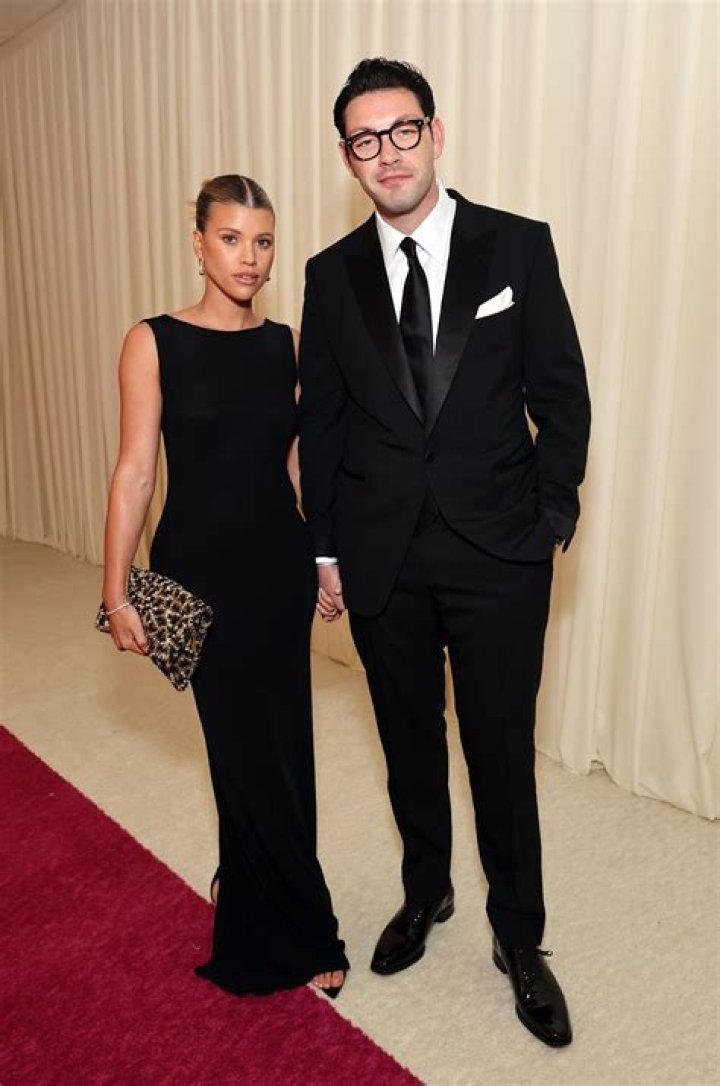
Kali Uchis is a singer and songwriter who uses she/her pronouns.
It is important to respect people's pronouns, as they are a part of their identity. Using the correct pronouns shows that you are respectful of someone's gender identity. Pronouns can also be important for non-binary and transgender people, as they may not identify with traditional gender pronouns.
In Kali Uchis's case, using she/her pronouns is a way of respecting her gender identity. It is also a way of showing support for the LGBTQ+ community.
Kali Uchis Pronouns
Using the correct pronouns for someone is a sign of respect. Kali Uchis uses she/her pronouns. Here are nine key aspects of Kali Uchis's pronouns:
- Respectful
- Inclusive
- Supportive
- Essential for non-binary and transgender people
- Part of someone's identity
- Can be a source of validation
- Can help to create a safe and welcoming environment
- Using the correct pronouns can show that you are an ally
- It is important to ask someone what their pronouns are if you are unsure
Using the correct pronouns for someone is a simple way to show that you respect their gender identity. It is also a way to create a more inclusive and supportive environment for everyone.
Respectful
Using respectful language is an important part of communication. This includes using the correct pronouns for someone. When you use the correct pronouns for someone, you are showing that you respect their gender identity. This is especially important for non-binary and transgender people, who may not identify with traditional gender pronouns.
In the case of Kali Uchis, using she/her pronouns is a way of respecting her gender identity. It is also a way of showing support for the LGBTQ+ community.
Using respectful language can help to create a more inclusive and welcoming environment for everyone. It can also help to build relationships and trust.
Inclusive
Inclusivity means embracing and accommodating individuals from all backgrounds, identities, and perspectives. In the context of "kali uchis pronouns," inclusivity involves recognizing and respecting her pronouns as a non-binary individual.
- Embracing Diversity
Using Kali Uchis's pronouns contributes to an environment where diverse gender identities are recognized and celebrated.
- Respecting Identity
Using her correct pronouns affirms her identity and shows that she is valued and respected for who she is.
- Fostering Belonging
Creating inclusive spaces where individuals can freely express their gender identities, including the use of their pronouns, promotes a sense of belonging.
- Challenging Norms
Respecting Kali Uchis's pronouns challenges traditional gender norms and promotes a more inclusive and equitable society.
By embracing inclusivity in the context of Kali Uchis's pronouns, we demonstrate our commitment to creating a society where everyone feels valued, respected, and empowered to express their true selves.
Supportive
Supporting Kali Uchis's pronouns is crucial for fostering an environment where she feels valued, respected, and affirmed in her gender identity. Here are key facets of this support:
- Validation
Using Kali Uchis's correct pronouns validates her identity, showing that her gender expression is recognized and respected.
- Community
Creating supportive communities where individuals can openly use their pronouns, like Kali Uchis, strengthens a sense of belonging and acceptance.
- Advocacy
Supporting Kali Uchis's pronouns involves advocating for the rights and visibility of non-binary and transgender people, challenging societal norms and prejudices.
- Allyship
Allyship means standing in solidarity with Kali Uchis and other non-binary and transgender individuals, using their correct pronouns and actively supporting their rights and well-being.
Supporting Kali Uchis's pronouns is not only about respecting her individual identity but also contributing to a more inclusive and equitable society that values and empowers all people, regardless of their gender identity.
Essential for non-binary and transgender people
The use of correct pronouns, including Kali Uchis's pronouns, is essential for non-binary and transgender people. This recognition and respect for their gender identity contributes to their well-being and sense of belonging.
For non-binary and transgender individuals, their pronouns are not merely words but a reflection of their innermost identity. When their pronouns are respected, it affirms their existence, dignity, and right to self-expression.
Misgendering, or using incorrect pronouns, can have severe consequences for non-binary and transgender people. It can lead to feelings of invalidation, dysphoria, and social isolation. Conversely, using correct pronouns can create a sense of safety, support, and empowerment.
Kali Uchis's visibility as a non-binary person using she/her pronouns helps to challenge societal norms and stereotypes. Her presence in the public eye contributes to a greater understanding and acceptance of non-binary and transgender identities.
By respecting Kali Uchis's pronouns, we demonstrate our commitment to creating an inclusive and equitable society where all individuals, regardless of their gender identity, are valued and respected.
Part of someone's identity
For non-binary and transgender people, including Kali Uchis, their pronouns are an integral part of their identity. Pronouns are not just words; they reflect a person's gender, their sense of self, and their lived experiences.
- Self-expression
Pronouns are a way for non-binary and transgender people to express their gender identity to the world. Using their correct pronouns affirms their sense of self and allows them to live authentically.
- Respect
Using Kali Uchis's correct pronouns is a sign of respect for her gender identity. It shows that you recognize and value her as a person.
- Inclusion
Using inclusive language, including respecting people's pronouns, creates a more welcoming and inclusive environment for everyone.
- Empowerment
When non-binary and transgender people are able to use their correct pronouns, it can be a powerful and empowering experience. It can help them to feel more confident and self-assured in their gender identity.
Using Kali Uchis's correct pronouns is not just a matter of politeness; it is a way of respecting her identity and creating a more inclusive and equitable society.
Can be a source of validation
For non-binary and transgender people, including Kali Uchis, having their pronouns respected can be a powerful source of validation. It is a recognition of their gender identity and a way of affirming their sense of self.
- Self-affirmation
When someone uses Kali Uchis's correct pronouns, it sends a message that her gender identity is valid and respected. This can be a powerful affirmation, especially for people who may have experienced discrimination or invalidation in the past.
- Community and belonging
When non-binary and transgender people are able to use their correct pronouns in a community or social setting, it can create a sense of belonging and acceptance. This can be especially important for people who may feel marginalized or isolated.
- Increased self-esteem
Using correct pronouns can help non-binary and transgender people to feel more confident and positive about themselves. When their gender identity is respected, it can lead to increased self-esteem and a greater sense of well-being.
- Empowerment
When non-binary and transgender people are able to use their correct pronouns, it can be a powerful and empowering experience. It can help them to feel more in control of their lives and more confident in their gender identity.
Overall, respecting Kali Uchis's pronouns and the pronouns of other non-binary and transgender people is an important way to create a more inclusive and affirming society. It is a way to show respect for their gender identity and to help them feel more validated and empowered.
Can help to create a safe and welcoming environment
Using Kali Uchis's correct pronouns, and the correct pronouns of other non-binary and transgender people, is an important way to create a safe and welcoming environment. When people feel respected and affirmed in their gender identity, they are more likely to feel comfortable and safe in their surroundings. This is especially important for non-binary and transgender people, who may face discrimination and violence simply because of who they are. Creating a safe and welcoming environment for Kali Uchis and other non-binary and transgender people means using their correct pronouns, respecting their gender identity, and challenging discrimination and prejudice.
For example, a study by the National Center for Transgender Equality found that transgender people who were able to use their correct pronouns in the workplace were more likely to be satisfied with their jobs and less likely to experience discrimination. Another study by the Trevor Project found that transgender youth who were able to use their correct pronouns were less likely to attempt suicide. These studies show that using correct pronouns can have a real and positive impact on the lives of non-binary and transgender people.
When we use Kali Uchis's correct pronouns, we are not just being polite; we are creating a more inclusive and equitable society for all.
Using the correct pronouns can show that you are an ally
In the context of "kali uchis pronouns," using the correct pronouns for non-binary and transgender people, including Kali Uchis, is an important way to show that you are an ally. It is a way of respecting their gender identity and showing that you support their right to live authentically.
- Respect and Validation
Using the correct pronouns shows that you respect the person's gender identity and that you are affirming their sense of self. This is especially important for non-binary and transgender people, who may face discrimination and invalidation on a regular basis.
- Inclusion and Belonging
Using the correct pronouns helps to create a more inclusive and welcoming environment for non-binary and transgender people. It shows that they are welcome and that their gender identity is respected.
- Challenging Discrimination
Using the correct pronouns can help to challenge discrimination and prejudice against non-binary and transgender people. It sends a message that you do not tolerate discrimination and that you are committed to creating a more just and equitable society.
- Support and Solidarity
Using the correct pronouns is a way of showing your support and solidarity for non-binary and transgender people. It shows that you are standing with them in the fight for equality and justice.
Using the correct pronouns for Kali Uchis and other non-binary and transgender people is an important way to show that you are an ally. It is a way of respecting their gender identity, creating a more inclusive environment, challenging discrimination, and showing your support and solidarity.
It is important to ask someone what their pronouns are if you are unsure
Using the correct pronouns for someone is a sign of respect. It shows that you are respectful of their gender identity and that you are committed to creating an inclusive environment. If you are unsure of someone's pronouns, the best thing to do is to ask them. This is especially important for non-binary and transgender people, who may not identify with traditional gender pronouns.
In the case of Kali Uchis, she uses she/her pronouns. However, it is important to remember that not all non-binary and transgender people use the same pronouns. This is why it is so important to ask someone what their pronouns are if you are unsure. By asking, you are showing that you are respectful of their gender identity and that you are committed to creating an inclusive environment.
Asking someone what their pronouns are is a simple and easy way to show that you are an ally to non-binary and transgender people. It is a way of showing that you respect their gender identity and that you are committed to creating a more inclusive and equitable society.
FAQs on Kali Uchis Pronouns
In this section, we address common questions and misconceptions regarding Kali Uchis's pronouns to enhance understanding and foster inclusivity.
Question 1: Why is it important to use Kali Uchis's correct pronouns?
Using Kali Uchis's correct pronouns, she/her, is a fundamental aspect of respecting her gender identity. It acknowledges her authentic sense of self and creates an inclusive environment where individuals feel valued and affirmed.
Question 2: What are the potential consequences of misgendering Kali Uchis?
Misgendering, or using incorrect pronouns, can have detrimental effects on non-binary and transgender individuals like Kali Uchis. It can lead to feelings of invalidation, dysphoria, and social isolation. Conversely, using correct pronouns fosters a sense of belonging, safety, and empowerment.
Question 3: How can I respectfully ask someone about their pronouns?
Asking about someone's pronouns is a respectful and inclusive practice. You can simply ask, "What pronouns do you use?" or "How do you identify?" Be mindful of your tone and approach the conversation with sensitivity and openness.
Question 4: What is the significance of pronouns for non-binary and transgender people?
Pronouns are a fundamental aspect of gender expression for non-binary and transgender individuals. They reflect their innermost identity and sense of self. Using correct pronouns validates their lived experiences and contributes to their overall well-being.
Question 5: How can I create a more inclusive environment for non-binary and transgender people?
Creating an inclusive environment involves using respectful language, including correct pronouns, and challenging societal norms that perpetuate discrimination and prejudice. It also entails listening to and amplifying the voices of non-binary and transgender individuals.
Question 6: What are some resources for learning more about non-binary and transgender issues?
There are numerous resources available to educate oneself on non-binary and transgender issues. These include organizations such as GLAAD, The Trevor Project, and PFLAG, as well as books, articles, and documentaries that provide valuable insights and perspectives.
Using Kali Uchis's correct pronouns and respecting the pronouns of all non-binary and transgender people is not only a matter of politeness but a vital step towards fostering an inclusive and equitable society that values and empowers all individuals.
Let's continue exploring...
Tips Regarding Kali Uchis Pronouns
Respecting the pronouns of Kali Uchis and other non-binary and transgender individuals is crucial for fostering an inclusive and equitable society. Here are some essential tips to guide your interactions:
Tip 1: Ask Respectfully
If you are unsure of someone's pronouns, ask politely and respectfully. Use phrases such as "What pronouns do you use?" or "What are your pronouns?"
Tip 2: Use Correct Pronouns Consistently
Once you know someone's pronouns, make a conscious effort to use them consistently and accurately in all forms of communication, including speech, writing, and social media.
Tip 3: Correct Yourself if You Make a Mistake
Mistakes happen. If you accidentally use the wrong pronouns, apologize sincerely and correct yourself immediately. Avoid making excuses or dismissing the error.
Tip 4: Educate Yourself and Others
Take the initiative to learn more about non-binary and transgender identities and the importance of using correct pronouns. Share your knowledge with others to promote understanding and inclusivity.
Tip 5: Be an Ally
Support non-binary and transgender people by using their correct pronouns, challenging discrimination, and advocating for their rights. Your allyship can make a significant difference in their lives.
Tip 6: Create Inclusive Spaces
In your personal and professional spaces, make it clear that you are committed to inclusivity. Display signage or make announcements that indicate that all pronouns are welcome and respected.
Tip 7: Avoid Assumptions
Do not assume someone's pronouns based on their appearance or gender presentation. Always ask respectfully and use the pronouns they provide.
Tip 8: Respect Boundaries
Some non-binary and transgender people may not be comfortable sharing their pronouns. Respect their decision and avoid pressuring them to disclose their pronouns.
By following these tips, you can demonstrate your respect for Kali Uchis's pronouns and contribute to a more inclusive and welcoming environment for all non-binary and transgender people.
Remember, using correct pronouns is not just a matter of politeness but an essential step towards creating a society where everyone feels valued and affirmed in their gender identity.
Conclusion
Respecting the pronouns of Kali Uchis and other non-binary and transgender individuals is a crucial aspect of inclusivity and social justice. Using correct pronouns validates their gender identities, creates safe and welcoming environments, and challenges societal norms that perpetuate discrimination.
This article has explored the importance of using Kali Uchis's pronouns, she/her, and the broader significance of respecting pronouns for non-binary and transgender people. It has emphasized the harmful effects of misgendering and the positive impact of using correct pronouns in fostering a sense of belonging and empowerment.
As we strive towards a more equitable and inclusive society, it is imperative that we all commit to using respectful language and challenging prejudices that perpetuate discrimination based on gender identity. By embracing and respecting the pronouns of Kali Uchis and other non-binary and transgender individuals, we can create a world where everyone feels valued, respected, and empowered to live authentically.